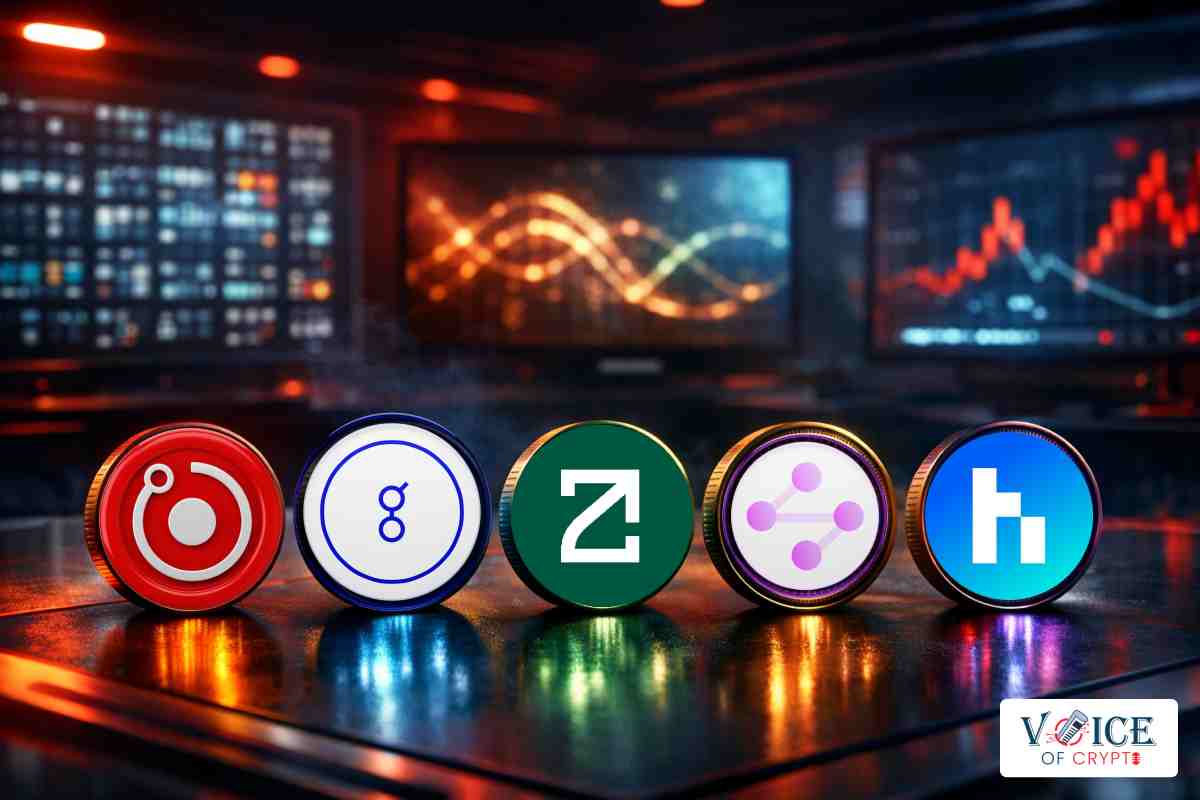
Low cap cryptocurrencies often sit outside mainstream attention, yet many are building critical infrastructure that larger networks depend on. These projects typically operate in niche but fast-growing areas such as AI computing, cross-chain connectivity, and digital commerce. While they carry higher volatility, their growth is often tied directly to real usage rather than market sentiment alone. Understanding this distinction is essential before evaluating individual assets.
Key Insights
- The 2026 market is more focused on coin utility over hype. This means that assets with real use cases in AI and cross-chain tech are leading the charge.
- Decentralised computing power is the new oil. Projects like Render and Golem now serve the massive hardware needs of modern AI.
- Small-cap assets offer high growth but carry risks, so use a “Core and Satellite” strategy to protect your main savings.
The crypto market is now far more stable than the wild days of the past. Major coins like Bitcoin provide a solid base for many. However, the biggest gains often come from low-cap cryptocurrencies. These are projects with a total value under $500 million.
These assets are often geared towards solving specific problems in areas like AI or supply chains. Because they are smaller, their prices can move much faster when new users join.
5 Top Low Cap Cryptocurrencies With Real Utility
The first place many people look is the AI hardware space. Ordinarily, high-end chips are expensive and hard to find. Decentralized networks solve this by letting people rent out their extra computer power. This makes computing cheaper for everyone. It also gives a clear value to the tokens that are used to pay for that power.
1. Render (RNDR)
Render is a top choice for anyone watching the AI space, and is a leading network for GPU rendering.
If a movie studio or an AI firm needs more power, they use Render. This network connects them with people who have idle graphics cards, and this peer-to-peer setup is much faster than regular server farms.

In 2025 the move to the Solana network made Render even better. Fees are now very low, and this change has attracted many new developers to the platform.
Now with a market cap of around $1.2 billion, RNDR is slightly larger than a typical “low cap” now. Yet, its role as the “Nvidia of Web3” means that it has plenty of room to grow.
2. Golem (GLM)
Golem is another major player in the computing space. It acts as a global supercomputer. While Render focuses on graphics, Golem is for general tasks. This means that users often spend the asset on scientific research or complex math.
It is one of the oldest projects in the industry, but recently had a big update.
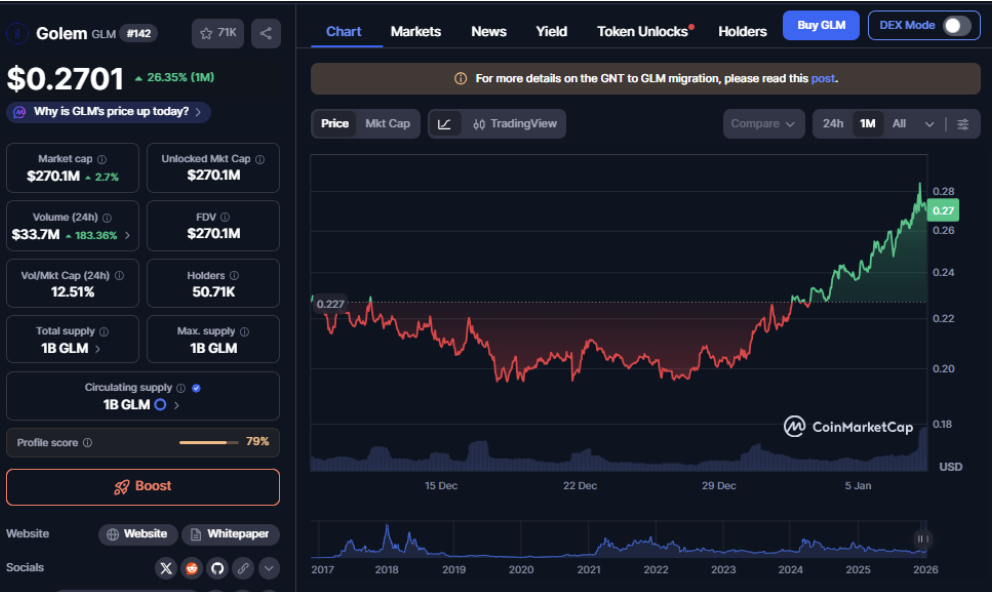
The new version of Golem works well with Ethereum, which means that it is now much easier for apps to “rent” CPU power automatically. Its market cap sits around 278 million dollars.
This makes it a classic low-cap choice with a long history of staying power.
3. ZetaChain (ZETA)
ZetaChain is a Layer 1 network that links everything together. This network allows smart contracts to work with native BTC without any extra steps, and this is a huge deal for the 2026 “Bitcoin DeFi” trend.
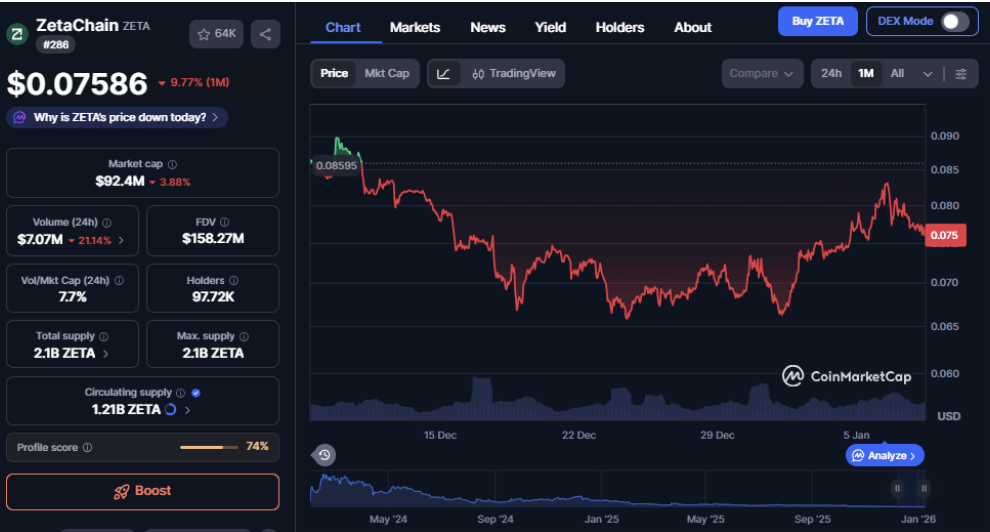
Investors also like ZetaChain because it simplifies the user experience. This means that you don’t have to switch networks or use confusing “wrapped” tokens.
Its current valuation is near $97 million and compared to giants like Solana, it has a lot of space to climb if it becomes the standard for cross-chain apps.
4. Synapse (SYN)
Synapse is focused on moving money and data between different layers. As more people use Layer 2 networks, liquidity gets split up. Synapse then helps pool that money back together.
Another interesting aspect of this asset is that it uses a secure model that has stood the test of time.
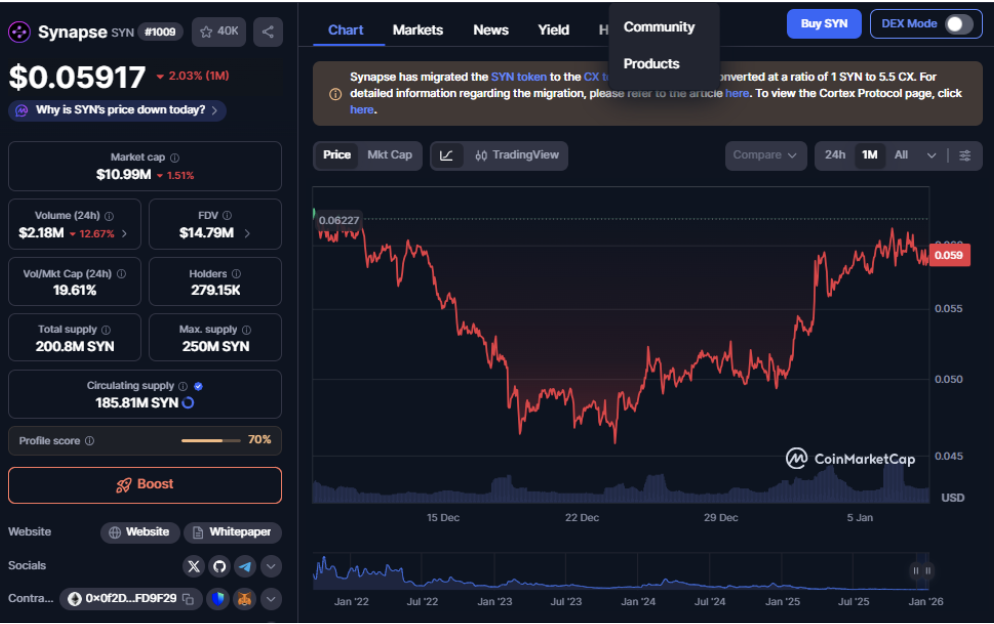
The project currently has a market cap of about $13 million. This is a very small figure for a tool that handles so much volume.
Historically, Synapse’s trading volume tends to be higher than its total market cap. This means a lot of people are actively using the token, and it could be a high reward bet for those who believe the future of crypto is multichain.
5. Highstreet (HIGH)
Early metaverse narratives were largely driven by speculation. By 2026, the focus is shifting toward commerce, ownership, and fulfilment, where digital assets connect directly to physical goods and supply chains. This evolution marks a move from virtual experimentation to revenue-generating digital infrastructure.
Highstreet is a leader in this new retail space, and it builds virtual malls where you can buy real clothes. This means that when you purchase a limited edition jacket in the game, the real one arrives at your door. This model gives the digital token real-world value.
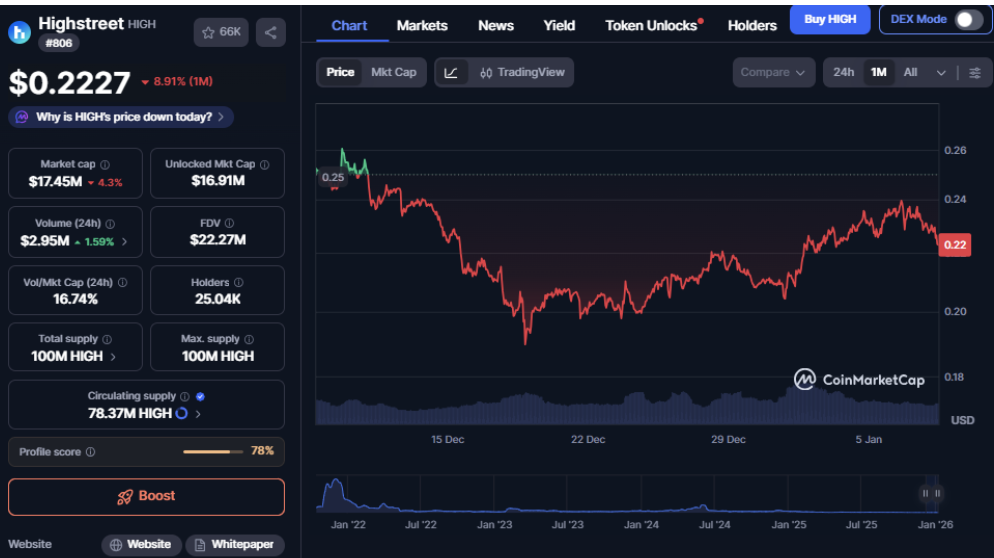
The project has a market cap of around $18 million. It also works with big fashion brands to create exclusive drops. As VR headsets become more common in homes, Highstreet is one of the biggest projects that might benefit from this trend.
Analysts describe it as a “micro-cap gem” with a business plan that does not rely only on market hype. Low-cap cryptocurrencies can deliver outsized returns—but only when backed by real adoption, clear use cases, and patient capital. The projects listed above reflect infrastructure-driven narratives rather than short-term hype.
Disclaimer: This article is intended solely for informational purposes and should not be construed as financial advice. Investing in cryptocurrencies involves substantial risk, including the possible loss of your capital. Readers are encouraged to perform their own research and seek guidance from a licensed financial advisor before making any investment decisions. Voice of Crypto does not endorse or promote any specific cryptocurrency, investment product, or trading strategy mentioned in this article.